Why Homeowners Trust Ann Arbor top home remodeling contractor
Why Homeowners Trust Ann Arbor top home remodeling contractor
Blog Article
Home Restoration: Convert Your Space Into Your Ideal Home
Home remodeling offers a practical method to enhancing both functionality and visual appeal in living spaces. It allows homeowners to personalize their environments and possibly increase property value. However, attaining the desired results demands thorough planning and adherence to a budget. Understanding design styles and choosing the right contractors are essential steps in this process. As homeowners start this journey, they must consider what they truly wish to achieve. The path ahead holds several significant factors to explore.
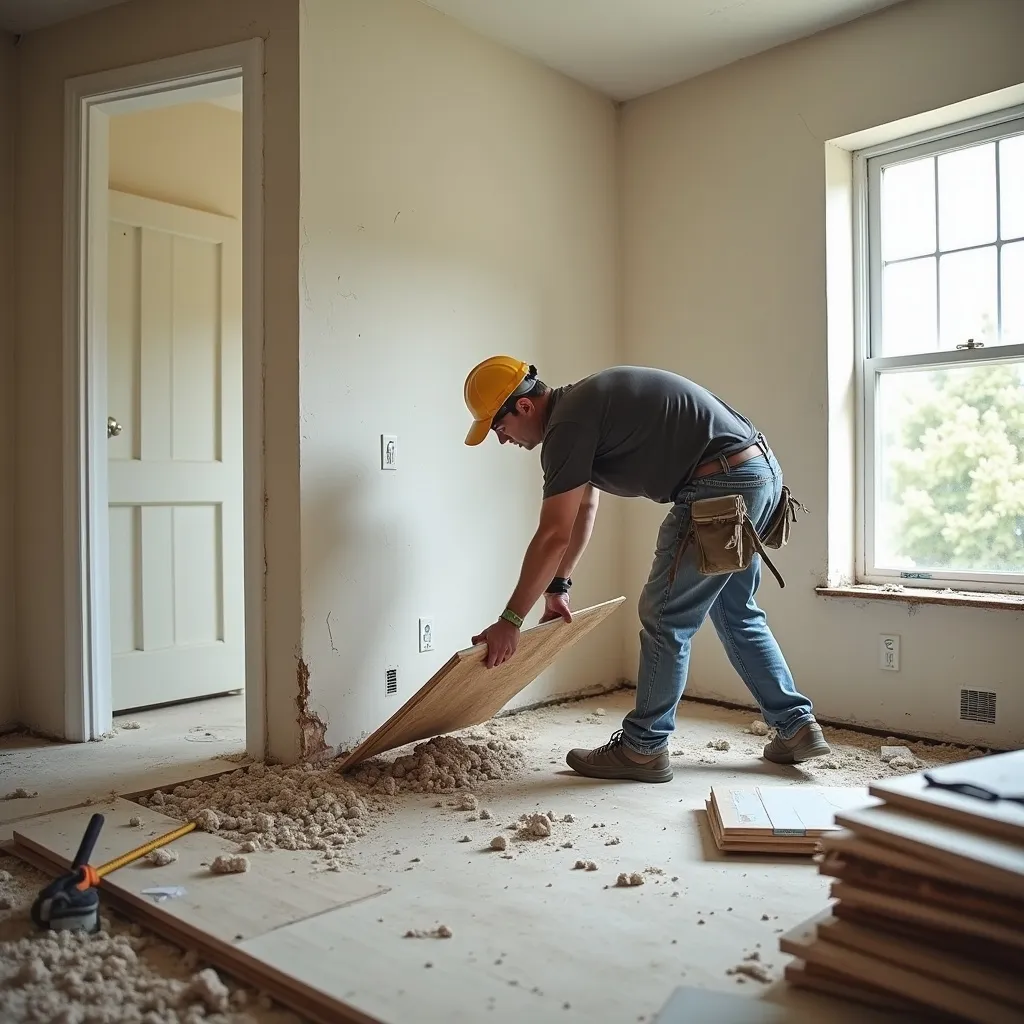
What Do You Want to Accomplish With Your Home Renovation?
What objectives does one have in mind when commencing a home remodeling project? Individuals often seek to enhance operation, improve aesthetics, or increase property value. Some may desire a more open layout to foster social interactions, while others aim to create a calm retreat within their home. Specific objectives can include refreshing outdated spaces, introducing energy-efficient elements, or growing living areas to accommodate growing families.
Moreover, a property owner might desire to customize their surroundings to reflect their style and preferences, making it a genuine reflection of who they are. Security and accessibility can also prove significant considerations, particularly for those having aging family members or disabilities. In the end, the goals of a remodeling undertaking serve as the cornerstone for making decisions, guiding selections in design, materials, and overall delivery. Understanding these ambitions is essential for reaching a positive overhaul that meets both functional requirements and individual preferences.
Guide to Allocating Resources for Your Home Remodeling Project
Budgeting for a home renovation project demands meticulous preparation and consideration. It is crucial to establish an total budget, rank necessary improvements, and account for unexpected costs that may arise. By approaching the budgeting process systematically, homeowners can achieve their goals without financial strain.
Figure Out Your Overall Budget
Before commencing a home remodeling project, it is vital to define an complete budget that reflects both monetary limitations and renovation goals. Property owners should begin by examining their finances to determine how much they can reasonably allocate for the project. This includes examining savings, income, and potential financing options. It is also advisable to incorporate unexpected expenses, typically 10-20% of the total budget, to manage unforeseen issues that may emerge during remodeling. Additionally, homeowners should examine the costs tied to various materials and labor in their area, supporting informed decisions. By establishing a clear budget, homeowners can maintain focus on their remodeling goals and minimize the stress of overspending.
Focus on Necessary Upgrades
After establishing a solid budget, homeowners can start identifying which improvements that can deliver the most value and functionality in their space. Prioritizing necessary upgrades means inspecting areas that need immediate attention, including outdated plumbing and electrical installations, which could create safety risks. Renovating kitchens and bathrooms usually produces high returns on investment; therefore, dedicating funds to modernize these spaces is generally a smart choice. Furthermore, boosting energy efficiency via windows, insulation, or appliances helps cut long-term costs. Homeowners must also take into account lifestyle needs, including designing open spaces for family events or specific work areas. Through careful selection of upgrades that meet both current needs and future goals, homeowners can enhance their remodeling effectiveness while adhering to their budget.
Arrange For Surprise Monetary Outlays
Preparing for unforeseen expenses is vital for property owners embarking on a remodeling project. Budgets can rapidly grow tight when unexpected problems surface, including structural problems, aging electrical systems, or concealed moisture issues. Experts suggest reserving an extra 10 to 20 % of the total budget to account for these contingency expenses. Property owners should also account for potential price fluctuations in supplies and workmanship. Researching local contractors and obtaining multiple estimates can offer a clearer picture of expected expenses. Additionally, keeping clear dialogue with construction professionals throughout the process helps identify and address problems promptly. By strategically planning for these unforeseen expenses, property owners can ensure that their renovation project stays on track, ultimately renovating their space without budget stress.
What Design Styles Work With Your Home Remodeling?
In the realm of home remodeling, aesthetic choices play an essential part in shaping the overall aesthetic. Homeowners can select from a variety of choices, including modern minimalist aesthetics, cozy rustic charm, and elegant traditional touches. Each style brings its own distinctive character, influencing both the atmosphere and utility of the space.
Contemporary Streamlined Visual Style
Contemporary minimalist aesthetics present an invigorating method to residential renovation, characterized by simplicity and functionality. This style emphasizes open spaces, clean lines, and a limited selection of colors, frequently featuring neutral tones that promote a sense of calm. Furnishings and accessories are deliberately selected, resulting in a uncluttered setting that enhances overall harmony. Organic elements, such as lumber and stone, regularly serve as an important role, adding warmth while maintaining a sleek aesthetic. Light sources is thoughtfully planned, often using large windows to enhance natural light. In a contemporary streamlined home, every detail has a function, contributing to a unified aesthetic that reflects the homeowner's values of clarity and efficiency. This aesthetic encourages serenity, rendering it ideal for modern living.
Cozy Countryside Charm
Embracing the core of comfort and coziness, cozy rustic charm is a favored choice for homeowners looking for a more inviting atmosphere. This design style often incorporates natural materials, such as reclaimed wood, stone, and soft textiles, producing an organic feel. Earthy color palettes—think warm browns, soft greens, and muted reds—enhance the connection to nature.
Key aspects contain bare wooden examine now beams, oversized furniture, and aged furnishings, which awaken a wistful remembrance. Fireplaces emerge as visual anchors, bringing families in harmony in a informal setting. Additionally, weaving contemporary additions with rustic accents ensures practicality without abandoning charm. Overall, cozy rustic charm metamorphoses spaces into hushed sanctuaries, making it an winning proposition for those hoping to permeate their homes with authenticity and comfort.
Elegant Classic Elements
While many homeowners search for ease through country designs, others appreciate beauty in the refined aesthetic of traditional styles. This design method focuses on enduring elements such as intricate trims, classic furnishings, and bold color palettes. Traditional spaces often showcase symmetrical layouts and formal arrangements, creating a sense of structure and sophistication. Incorporating heritage or classic pieces can enhance realism, while luxurious fabrics like silk and velvet add richness and texture. Architectural elements, such as coffered ceilings and wainscoting, contribute to an overall sense of grandeur. Homeowners embracing this style often choose comfortable, pleasant spaces that reflect their heritage or personal history, making traditional design a lasting choice for those wishing to evoke a sense of elegance in their remodeled homes.
Tips on Choosing the Perfect Professionals for Your Home Remodeling?
Choosing the right contractors for home remodeling can greatly impact the success of a project. Property dwellers should begin with examining local contractors and checking their qualifications, including authorizations and coverage protection. Consulting online reviews and seeking suggestions from family or acquaintances can supply worthwhile perspective into a vendor's reputation.
It's important to interview several prospects next to evaluate their interpersonal skills and professionalism. Homeowners must request comprehensive quotes and schedules to ensure openness. A quality builder should be happy to answer questions and supply a thorough grasp of the project scope.
Additionally, examining past work or portfolios can assist homeowners evaluate a contractor's style and standard of work. Finally, trust and rapport are essential; a contractor's demeanor and readiness to work together can significantly impact the renovation experience. By taking these measures, homeowners can make knowledgeable decisions that correspond with their vision for their dream home.
What Are Essential Suggestions for a Successful Home Renovation?
How can property owners ensure a positive home renovation project? First, creating a clear vision is fundamental. Homeowners should outline their objectives and preferences, ensuring all stakeholders comprehend the intended outcome. Subsequently, setting a practical financial plan helps reduce unexpected expenses. It is essential to incorporate a reserve allocation for unforeseen complications.
Clear communication with construction professionals is essential; property owners must express their needs and expectations distinctly. Regular communications and site visits can improve this process. Furthermore, researching materials and styles will empower property owners to make knowledgeable choices, balancing aesthetics and practicality.
Ultimately, getting required authorizations ensures compliance with local standards, preventing future problems. By applying these recommendations, homeowners can navigate the intricacies of renovation, ultimately converting their space into a dream residence.
Ways to Protect Your Newly Remodeled Home in Top Shape?
Having invested time and resources into a home transformation, homeowners must stress routine upkeep to preserve their newly transformed space. Routine cleaning is essential; applying suitable treatments for different surfaces will reduce deterioration and damage. For example, hardwood floors require special cleaners that preserve the finish, while countertops may require particular care to elude stains.
Additionally, homeowners should execute periodic seasonal inspections to handle any problems ahead of time. This comprises inspecting leaks, maintaining HVAC systems, and ensuring outdoor drainage is working properly. Regular maintenance of appliances and fixtures will also extend their lifespan.
Furthermore, it is suggested to develop a maintenance plan that lists tasks like repainting or resealing surfaces as necessary. By dedicating effort on these maintenance activities, homeowners can keep up the beauty and efficiency of their remodeled spaces, ultimately improving their property’s value and comfort for years ahead.
Regularly Questioned FAQs
How much time Does a Typical Home Remodeling Project Take?
A common home renovation project can last anywhere from a few weeks to several months, determined by the scope, difficulty, and dimension of the remodeling. Each assignment changes based on unique specifications and unforeseen complications.
What Licenses Are Essential for Home Remodeling?
Commonly, permits required for home renovation include building, electrical, plumbing, and mechanical permits. Local ordinances may fluctuate, so it's important for homeowners to consult their municipality to guarantee adherence with all mandatory guidelines and standards.
How Can I Reduce Interruptions While Remodeling?
To minimize interruptions during remodeling, one can create open dialogue with contractors, determine specific work hours, assign a separate living area, and maintain a tidy workspace. Advance planning helps guarantee a smoother remodeling process.
Which Common Errors Should Homeowners Prevent When Renovating?
Frequent missteps to circumvent in remodeling involve undervaluing financial allocations, neglecting regulatory requirements, skipping thorough planning, choosing the incorrect materials, overlooking timelines, and neglecting to communicate clearly with contractors, which can lead to expensive delays and poor results.
What's the Ideal Method to Address Unexpected Expenses While Remodeling?
To handle unforeseen costs during remodeling, one should maintain a contingency budget, discuss freely with contractors, focus on necessary upgrades, and stay adaptable in decision-making. This approach assists with managing budgets and reduces anxiety throughout the project.
Report this page